Planet Earth: Habitat Explorer
About The Open University
Planet Earth: Habitat Explorer is an interactive augmented reality experience from The Open University, built to make learning about animals and their habitats open to anyone with a phone.
Our involvement
An interactive experience from The Open University
The Open University is the organisation behind Planet Earth: Habitat Explorer. The experience was created as part of the University’s work in providing accessible, technology-led educational content — something people can explore with the device already in their pocket rather than through a specialist setup.
Rather than a static article or a gallery, the project is an interactive journey. Visitors launch a habitat in augmented reality, point their phone at the world around them and explore animal environments as if they were standing inside them.
The experience is published alongside The Open University’s wider public engagement work, and further information about the University is available through its own channels.
What the experience covers
Habitats you can explore
Three habitat settings are available within the experience, each paired with an animal to meet along the way.
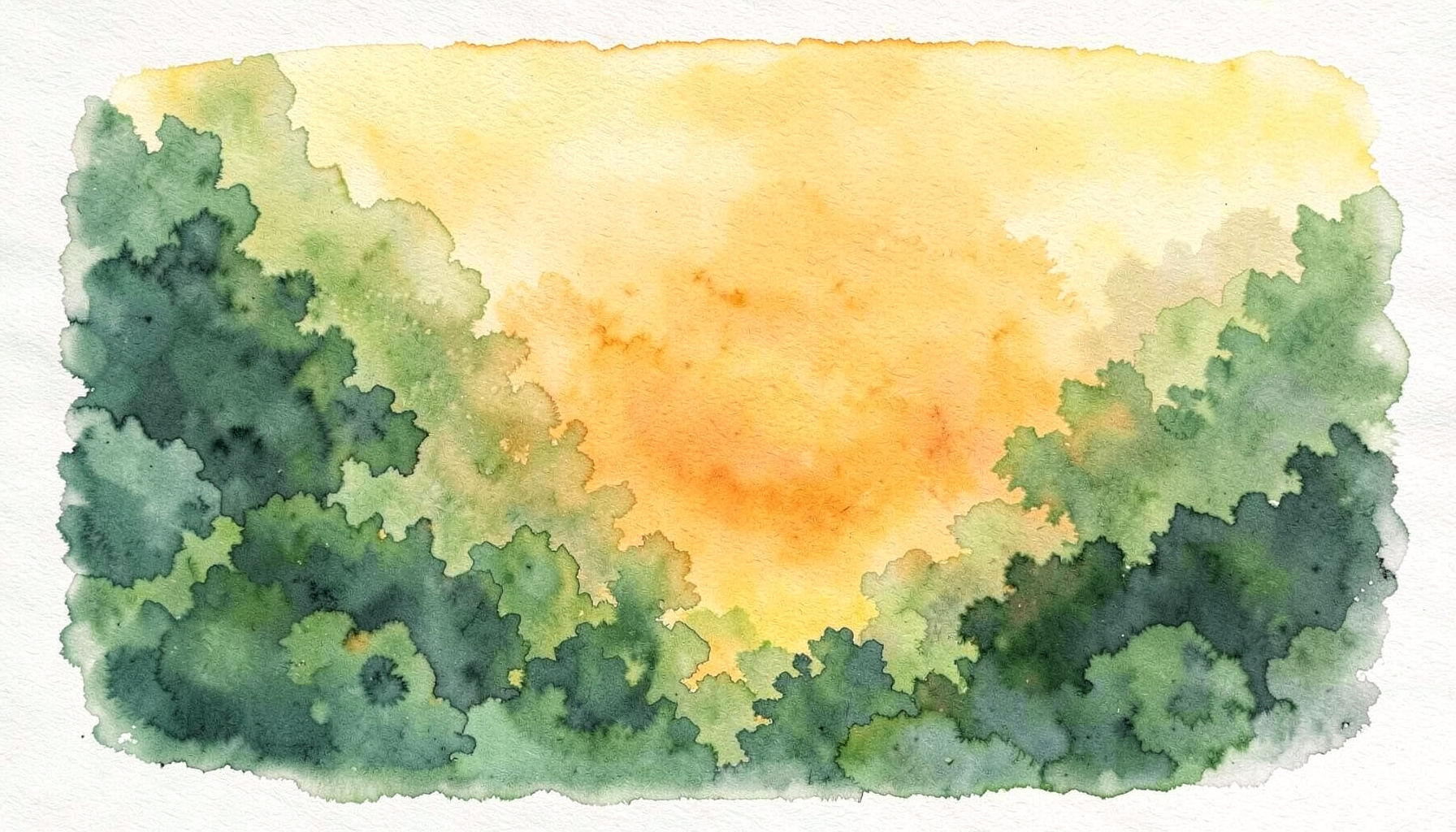
Forest
Explore a forest habitat in AR, from the undergrowth upwards through the tree layer.
Ocean
Open an ocean habitat and look around as though you were there beneath the surface.
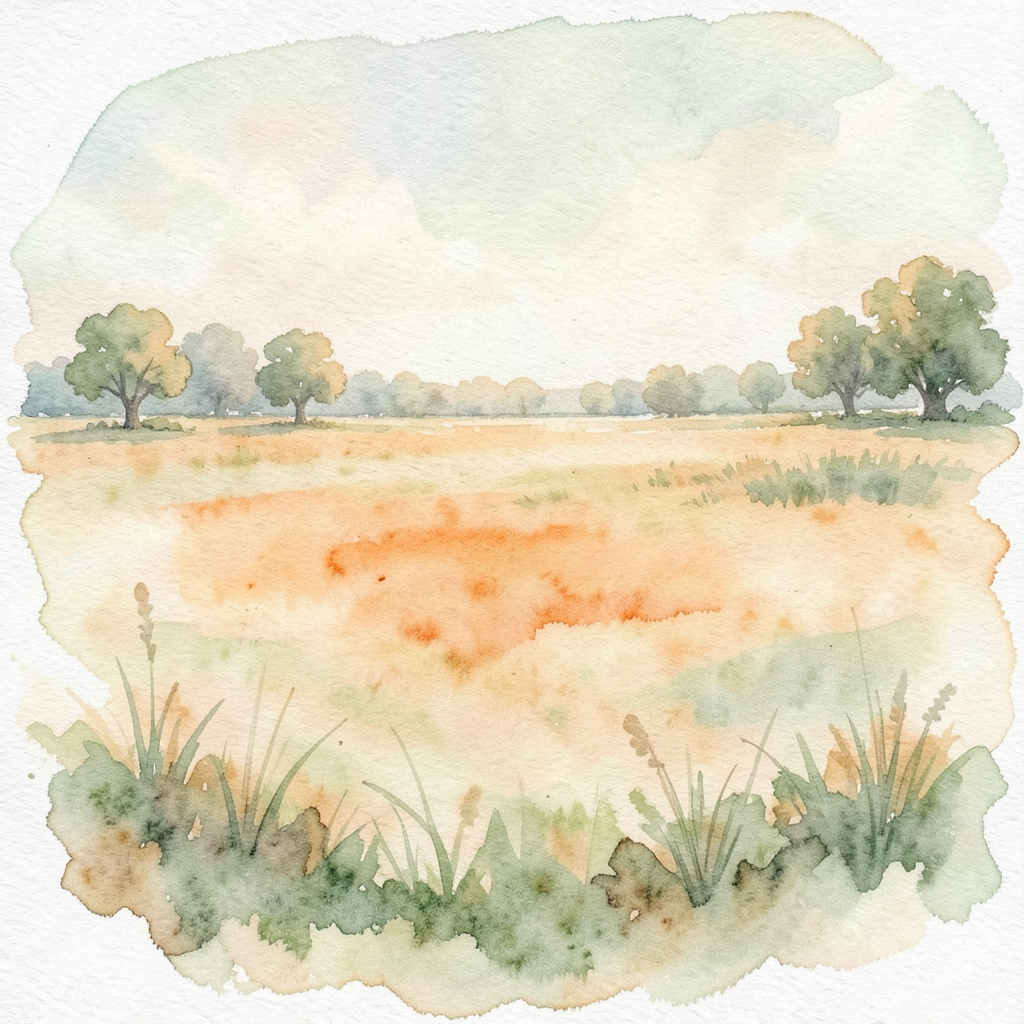
Grassland
Step into a grassland habitat and take in the wide, open space around you.
Practicalities
What you need
The experience runs in your phone’s browser and needs camera access for the augmented reality view to work.
| Platform | Requirements | Browser |
|---|---|---|
| iOS | iOS 16.3 or newer, on iPhone 7 / iPad 5 or newer with a rear camera | Safari |
| Android | Android 7 or newer with a rear camera | Chrome |
Need a hand?
Our FAQ covers granting camera and microphone permissions, launching a habitat in AR, and what to try if the experience does not work on your device.
Planet Earth: Habitat Explorer is an interactive augmented reality experience from The Open University, built to make learning about animals and their habitats open to anyone with a phone. Rather than a conventional course, it places you inside a chosen environment, letting you look around, move closer and discover the species that live there. Forest, ocean and grassland habitats are each presented as immersive scenes, with animals positioned as hotspots you can tap, pinch and zoom into as the experience responds to the surface, table or floor around you.
Using the experience is deliberately simple. Point your phone's rear camera at a flat surface, wait for the environment to be detected and anchored in place, then tap an animal to bring up information about it. Swiping and pinching adjusts your view, and rotating the device changes the angle of the scene. Sound, audio description and on-screen instructions help you explore without getting lost, while the interface stays uncluttered so the habitat itself remains the focus.
The experience runs on modern iOS and Android phones and works through the browser, so there is nothing to install and no headset or other hardware needed. Your device will ask for camera permission the first time you launch, and granting that access is required for the scene to be placed in your space. Connectivity helps with loading and audio, and if something appears blank it usually helps to close the tab, clear the cache and reopen the page.
The Open University is the organisation behind Planet Earth: Habitat Explorer. The experience was created as part of the University's work in providing accessible learning, using immersive technology to support understanding of the natural world. Alongside the AR habitats, the project includes related resources such as a pledge, frequently asked questions, credits, an origami activity and social sharing, so learners can take their interest further. Information about how the University is involved appears alongside instructions, legals, privacy and cookie information.