F
Forest
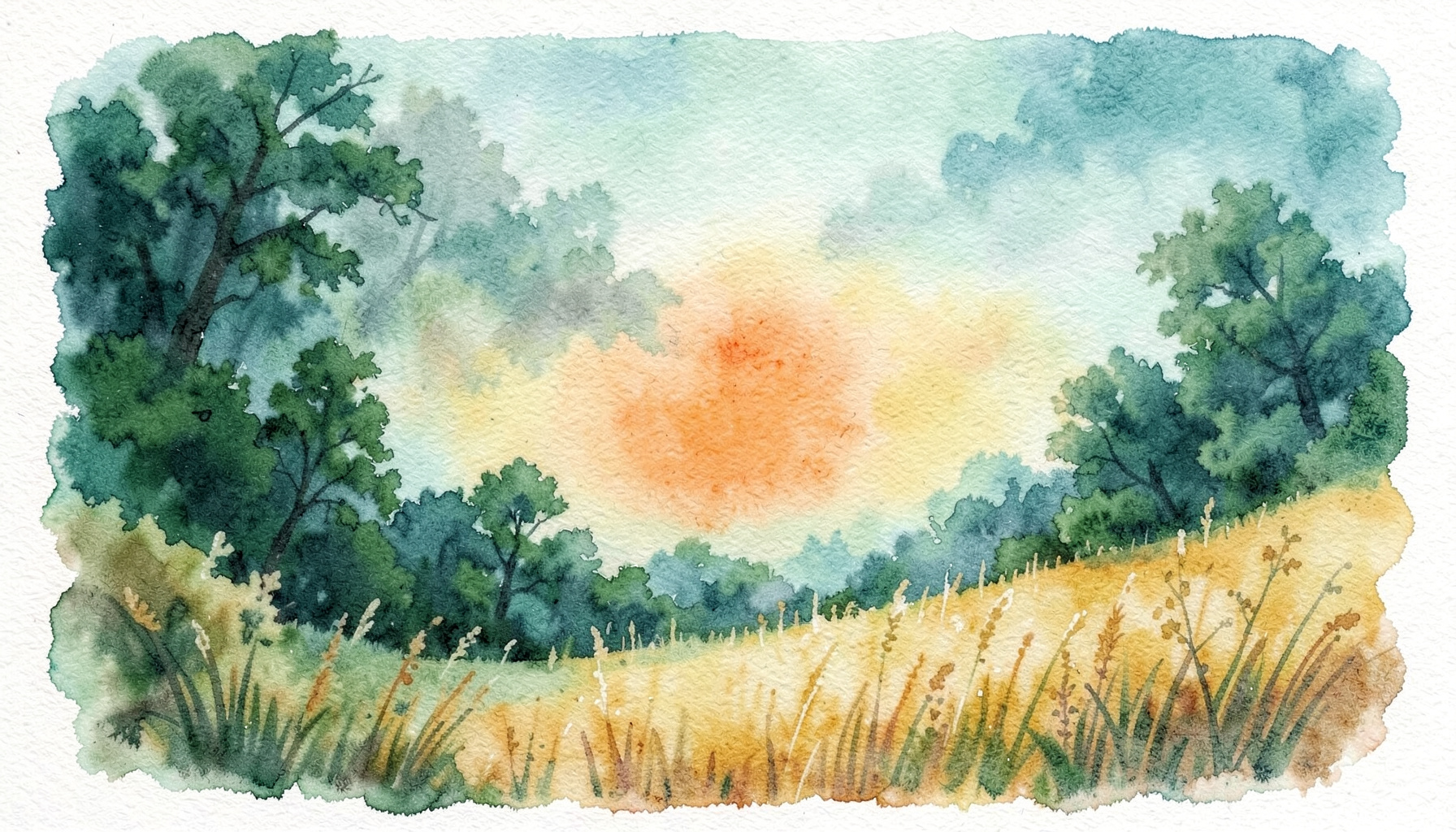
Step into a layered woodland scene where light filters through the canopy. Launch this habitat in AR to look closely at the forest floor and the space between the trees.
An interactive experience from The Open University
Take your mobile device into the wild worlds of amazing animals. Launch a habitat in augmented reality and explore forest, ocean and grassland from wherever you are.
Scroll to explore habitats
Each habitat launches in augmented reality on your phone or tablet. Move the device to look around, tap and hold to save a view, and share what you find with friends.
Habitat Explorer is an immersive augmented reality project from The Open University that places the natural world in the palm of your hand. Using the camera on a phone or tablet, the experience layers three-dimensional environments over your own surroundings, letting you step into forest, ocean and grassland habitats without leaving the room. It is designed for curious learners, families, classrooms and anyone who has ever wondered what it might feel like to stand on a windswept plain or beneath a canopy of leaves. The visual language is clean and institutional, pairing a white background with deep forest green and warm gold accents so that the photography and the animals themselves remain the focus.
Getting started is straightforward. Choose one of the available habitats, allow camera access when prompted, and hold your device upright while the experience loads and detects a flat surface such as a table or floor. Once the habitat is anchored in place, you can move the device to look around from different angles, pinch and zoom to adjust scale, and swipe to shift your perspective. Tap and hold on an animal or feature to save a view. A short set of on-screen instructions and a help menu explain these gestures, so no prior familiarity with augmented reality is required.
Camera permissions are essential, since the experience places virtual content into the real world through the device lens. Recent versions of iOS and Android are supported, and the project notes that a stable internet connection helps the habitat load quickly on first launch. If a habitat fails to appear, clearing the browser cache and reopening the page usually resolves it. Sound is optional rather than essential, and audio icons in the header allow you to silence or enable ambient effects. Sharing controls let you post what you discover to friends, turning a private moment of exploration into a conversation.
The forest habitat introduces animals that live among trees and undergrowth, presented as an interactive scene you can orbit at your own pace. The ocean habitat opens onto a different environment entirely, with marine creatures suspended in water that surrounds the anchored view on every side. The grassland habitat completes the trio with species adapted to open plains and wide horizons. Each habitat is built as a table of hotspots, and each hotspot carries information about the animal, its behaviour and the ecosystem it inhabits. Moving closer to a hotspot reveals more, rewarding a slow, deliberate exploration rather than hurried tapping.
A practical tip worth knowing before you begin: work in a well-lit, uncluttered space, and set the device down on a stable surface while the habitat initialises. Keeping the camera pointed at the floor or a table for a moment gives the software something solid to anchor to. After that, you are free to stand, walk and tilt the device as the scene responds. The instructions recommend holding the phone or tablet in portrait orientation for the best framing, and suggest using headphones if you want to hear the accompanying audio without disturbing others.
Beyond the novelty of placing animals in your living room, the project reflects The Open University's interest in making science accessible and memorable. Augmented reality offers a way to link abstract ecological ideas with tangible, three-dimensional scenes, and the resulting sense of scale and presence helps audiences of different ages and backgrounds engage with habitat conservation. Teachers can use the experience as a discussion starter, and learners can explore at their own speed. The credits and acknowledgements sections recognise the contributors behind the design, development and content, while the terms, conditions and cookie policy pages clarify how the experience is provided.
Sharing your findings is one of the simplest ways to extend the experience beyond yourself. When you save a view, the sharing tools allow you to send a snapshot to friends or post it to your social networks, prompting them to try the habitats themselves. Some devices offer a further convenience, such as copying a link directly, though the core requirement remains a compatible phone or tablet with camera access. Exploring together, even remotely, adds a collaborative dimension to what is otherwise a solitary encounter with wildlife, and it is a natural prompt for conversations about the environments being represented.
The experience is developed for a broad range of modern mobile devices, and the site includes guidance on supported browsers, required permissions and recommended settings. Because the habitats rely on camera hardware and motion sensing, older handsets may perform differently, so checking the requirements beforehand avoids frustration. The project is delivered as an interactive web experience rather than something to download, meaning updates happen quietly in the background and there is nothing to install. Keeping your browser and operating system current gives the smoothest performance, particularly when loading larger forest, ocean or grassland scenes for the first time.
Habitat Explorer sits at the intersection of technology, storytelling and environmental education, and it invites repeated visits rather than a single encounter. Each launch offers a fresh opportunity to notice something new: a species you passed by, a hotspot you had not yet tapped, a detail revealed by moving closer or changing the angle of view. Over time, the three habitats build a fuller picture of the wild worlds that surround us and the pressures those environments face. The experience closes by encouraging you to keep exploring, keep sharing, and keep thinking about the habitats that exist far beyond the walls of your own home.
Step into a layered woodland scene where light filters through the canopy. Launch this habitat in AR to look closely at the forest floor and the space between the trees.
Bring a marine habitat into your room. Launch it in AR and pan around to explore the water column, from the surface down into deeper blue water.
Open out an open grassland scene on your device. Launch it in AR and turn around to take in the wide horizon and the grass that moves through it.
To use this experience at its best you'll need: a mobile device with a rear camera, and a recent operating system. Camera access is required for this experience.
An educational project
Habitat Explorer is an interactive augmented reality experience from The Open University. It is designed to make the study of wild habitats something you can explore directly with a phone, rather than something you can only read about.
Three animals and their habitats are supported, giving you a forest, an ocean and a grassland to move through. The Open University works to provide accessible educational content, and this experience is one way of extending that work beyond the classroom.
Before you begin
The experience runs in your mobile browser, so there is nothing to install. Check your device against the requirements below before you launch a habitat.
| Platform | Operating system | Device | Browser |
|---|---|---|---|
| iOS | iOS 16.3 or newer | iPhone 7 / iPad 5 or newer, with a rear camera | Safari |
| Android | Android 7 or newer | Device with a rear camera | Chrome |
What you can do
Forest, ocean and grassland, each built for augmented reality.
Your device camera places each habitat in the space around you.
Tap and hold to save the moment you are looking at.
Share what you find, or post it to a social post from within the experience.
Make it count
The experience includes a pledge element: a short, interactive way to record your commitment to supporting habitat preservation, and to share it with others.
Open the pledge section of the experience and select the commitment that reflects your interest in habitat protection.
Make the pledge your own, then keep it as a reminder of the habitats you explored.
Share your pledge and invite others to explore the same habitats from their own device.
The pledge is part of the experience itself. Open it from the main screen once you have explored a habitat.
About the OU
Habitat Explorer is an interactive experience from The Open University, whose mission is to provide accessible educational content to learners wherever they are.
The Open University provides educational content that can be accessed from anywhere, on the devices people already use.
This experience puts three habitats and their animals at the centre of the learning, and lets you explore them in three dimensions.
No download, no installation. The experience runs in the browser on iOS and Android devices that meet the requirements.